Tiger Eye bracelet
The band of light that moves when the light does.
Pick this one for the morning of something you are dreading.
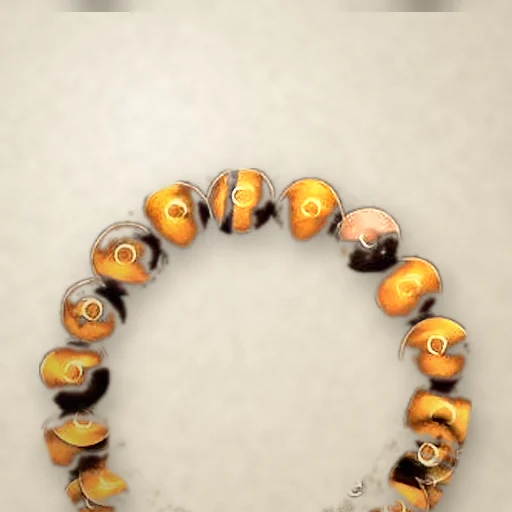
- 8mm round beads on elastic, about 7–7.5 inches: fits most adult wrists
- Laboratory certificate naming the material, in the box
- Any dyeing or heat treatment stated on the invoice
- Free delivery over ₹1,599 · dispatched in three to five working days
Seven-day returns. Unworn and in the original packing, back within seven days of delivery, full refund including what you paid for delivery. If it arrives damaged, send a photograph on WhatsApp within 48 hours and we replace it. We don’t publish a warranty beyond that, because the elastic on a bead bracelet is a wearing part and we are not going to promise something we would argue about later.
Want your wrist measurement strung to size, or a photograph of the actual piece before it is packed? Ask on WhatsApp.
Who picks this one
Pick this one if there is a specific thing coming: an interview, a first day, a room where everyone already knows each other, and you want something on your wrist while you walk into it. It is also the easiest of the eleven to wear without it announcing anything: gold-brown beads read as an ordinary bracelet. If you want one stone and cannot choose between them, this is the one we would hand you first.
What it actually is
Tiger eye is quartz that grew in the place of something else. Fibres of crocidolite were replaced by silica while keeping their parallel alignment, and iron oxidised through them to the gold-brown it is known for. Those aligned fibres are the whole reason for the effect people buy it for: chatoyancy, the band of light that slides across the surface as the bead turns. It is a physical property of the fibre structure, not a finish applied to it. Mohs 7, hard enough to be worn daily. Most of the world’s supply comes out of the Northern Cape in South Africa.
Where it sits in the tradition
In the classical lists, the cat’s-eye effect belongs to Ketu, whose principal stone is lehsunia (cat’s eye chrysoberyl). Tiger eye is commonly named as the accessible stone in that family. It is not chrysoberyl and we will not sell it as though it were.
Which stone applies to you, if any does, comes from a chart rather than from a page. A reader can look, and this is what ratna and uparatna mean.
What we will not tell you
That it will fix your money, your marriage, your case or your health. Nobody can know that, and in India advertising a remedy as a treatment is prohibited under the Drugs and Magic Remedies (Objectionable Advertisements) Act, 1954. What we will tell you is exactly what the material is, what has been done to it, and what is in the box.
Looking after it
Keep it away from perfume and harsh soap, and wipe it with a soft dry cloth. It does not need soaking and would rather not be soaked.
Bought together with
Not a guess and not somebody else’s basket: these are the stones we actually pack alongside this one, and the set each pairing comes from.
- New Beginning ₹2,199 Packed with Green Aventurine, Clear Quartz, for a new job or venture.
- The Study Set ₹2,199 Packed with Lapis Lazuli, Clear Quartz, for exams and interviews.
- The Diwali Box ₹2,499 Packed with Green Aventurine, Amazonite, for festive gifting.
About this stone.
Is tiger eye dyed?
Ours is natural gold-brown. Blue and red tiger eye on the market are usually treated, which is normal in the trade; where a stone we sell has been treated we say so on the listing and on the invoice.
Is this the same as lehsunia?
No. Lehsunia is cat's eye chrysoberyl, a different and far more expensive mineral. Tiger eye is quartz. We keep them clearly separate.